Our Eco Impact
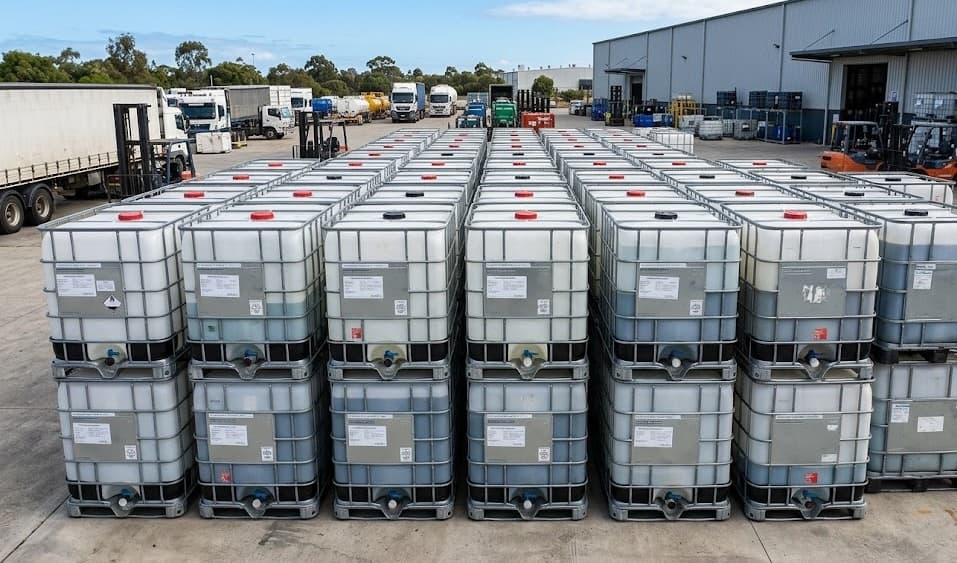
Every IBC tote we recondition keeps 130 pounds of plastic out of the landfill. Here is the bigger picture of what sustainable container management looks like.
Our Environmental Mission
We exist to extend the useful life of every IBC tote, keeping valuable materials in circulation and out of landfills. Our mission is to make the industrial container supply chain as sustainable as possible -- one tote at a time. We believe that every business, regardless of size, has a responsibility to minimize its environmental footprint, and we are here to make that easier.
The manufacturing of a single new IBC tote consumes approximately 130 pounds of HDPE plastic, 45 pounds of steel, and hundreds of gallons of water. The petroleum required to produce that plastic, the energy needed to smelt that steel, and the emissions generated throughout the supply chain represent a significant environmental cost. By reconditioning and reusing these containers, we prevent that entire environmental burden from being repeated -- often multiple times over the lifespan of a single cage and pallet assembly.
Our approach goes beyond simple recycling. We operate a true circular economy model where materials flow continuously through collection, assessment, reconditioning, redistribution, and eventually end-of-life recycling. Nothing is wasted. Every HDPE bottle that can be cleaned is cleaned. Every cage that can be repaired is repaired. Every pallet that can be redecked is redecked. Only when a component has truly reached the end of its functional life do we break it down into raw materials for recyclers -- and even then, those materials become new products rather than landfill waste.
Impact by the Numbers
These figures represent our cumulative environmental impact since operations began. Every number is a reason to keep going.
Pounds of Plastic Diverted from Landfills
Gallons of Water Conserved Annually
Material Recovery Rate
Metric Tons CO₂ Prevented Per Year
Monthly Impact Tracking
We track our environmental performance every month. The table below shows our most recent annual data for plastic diverted, water conserved, CO₂ prevented, and total totes processed per month.
| Month | Plastic Diverted (lbs) | Water Saved (gal) | CO₂ Prevented (tons) | Totes Processed |
|---|---|---|---|---|
| January | 198,000 | 68,500 | 96 | 1,520 |
| February | 185,000 | 64,200 | 89 | 1,420 |
| March | 210,000 | 72,800 | 102 | 1,615 |
| April | 205,000 | 71,000 | 99 | 1,575 |
| May | 220,000 | 76,200 | 107 | 1,690 |
| June | 215,000 | 74,500 | 104 | 1,650 |
| July | 225,000 | 78,000 | 109 | 1,730 |
| August | 218,000 | 75,500 | 106 | 1,675 |
| September | 208,000 | 72,000 | 101 | 1,600 |
| October | 212,000 | 73,400 | 103 | 1,630 |
| November | 195,000 | 67,500 | 94 | 1,500 |
| December | 190,000 | 65,800 | 92 | 1,460 |
| Annual Total | 2,481,000 | 859,400 | 1,202 | 19,065 |
The Circular Economy of IBC Totes
Instead of the traditional take-make-dispose model, we operate within a circular system where materials flow continuously. Here is how it works -- step by step, from collection to redistribution and back again.
Collection
We pick up used IBC totes from manufacturers, distributors, and industrial facilities across the West Coast. Our fleet covers California, Oregon, Washington, Nevada, and Arizona on scheduled and on-demand routes. We accept totes in any condition -- from lightly used to end-of-life units that need full recycling.
Assessment
Each tote is inspected and graded by trained technicians using a 25-point evaluation checklist. We examine the HDPE bottle for cracks, UV degradation, and chemical staining. The steel cage is checked for rust, weld integrity, and deformation. Reusable containers go to reconditioning; damaged units enter our recycling stream.
Reconditioning
Totes are triple-washed using our closed-loop water system, pressure-tested at 3 PSI for a minimum of 10 minutes, and fitted with new valves, gaskets, and caps as needed. We replace any cage components that show corrosion or structural compromise. The result is a container restored to like-new functional condition.
Redistribution
Reconditioned totes are graded (A, B, or C), labeled with tracking codes, and made available for purchase. Businesses across dozens of industries -- agriculture, food processing, chemical manufacturing, and more -- acquire these containers at a fraction of the cost of new production.
End-of-Life Recycling
When a tote can no longer be reconditioned, it is fully disassembled. The HDPE bottle is shredded into regrind and sold to plastics recyclers. The steel cage is sent to scrap metal processors. Wooden pallets are repaired, repurposed, or chipped for landscape mulch. Every material stream finds a second life.
Carbon Offset Calculations
We calculate the carbon savings of reconditioning versus new manufacturing using lifecycle analysis data from HDPE production, steel smelting, and transportation. Here is a breakdown of where the savings come from for each reconditioned tote.
Carbon Cost: New IBC Tote
Carbon Cost: Reconditioned Tote
Net Savings: 92 lbs CO₂ Per Tote
That is a 79% reduction in carbon emissions compared to manufacturing a brand-new IBC tote from virgin materials. At 19,000+ totes per year, the cumulative effect is enormous.
Water Conservation Programs
Water is one of the most critical resources in IBC reconditioning. Our multi-pronged conservation strategy ensures we use as little freshwater as possible while maintaining the highest cleaning standards.
Closed-Loop Wash System
Our primary wash bays recirculate and filter water through a three-stage treatment system: coarse filtration removes particulates, activated carbon absorbs organic compounds, and UV sterilization eliminates bacteria. Over 80% of wash water is reclaimed and reused in subsequent cleaning cycles, reducing freshwater intake by hundreds of thousands of gallons annually.
Rainwater Harvesting
Our Hayward facility collects rainwater from the warehouse roof into a 5,000-gallon storage tank. This captured water is filtered and used for initial rinse cycles and general facility cleaning, further reducing our municipal water draw during the rainy season months from November through April.
Low-Flow Equipment Upgrades
All wash nozzles, pressure washers, and rinse stations have been upgraded to high-efficiency models that deliver the same cleaning power at reduced flow rates. Automated shut-off valves prevent water waste when bays are not actively cleaning. These upgrades have cut per-tote water consumption by 35% since we began tracking.
Calculate Your Impact
Slide the bar to see how many resources your business saves by choosing reconditioned IBC totes over new production. The calculations are based on our verified lifecycle analysis data.
Eco Impact Calculator
See how many resources you save by choosing reconditioned IBC totes instead of buying new.
* Estimates based on EPA data for HDPE container lifecycle analysis.
Waste Stream Analysis
When IBC totes reach end-of-life and cannot be reconditioned, we break them down into distinct material streams. Each stream is processed through the most environmentally responsible channel available. Here is a breakdown of our annual waste stream composition.
| Material | % of Total | Recycling Destination | Annual Tons |
|---|---|---|---|
| HDPE Plastic (Bottles) | 52% | Shredded into regrind, sold to pelletizers for new plastic products | 624 |
| Galvanized Steel (Cages) | 28% | Sent to scrap metal recyclers, melted and reformed into new steel | 336 |
| Wood (Pallets) | 12% | Repaired for reuse or chipped into landscape mulch and biomass fuel | 144 |
| Rubber & Elastomers (Gaskets) | 4% | Collected and sent to specialized rubber recycling facilities | 48 |
| Polypropylene (Valves/Caps) | 3% | Separated by resin type and recycled with compatible plastics | 36 |
| Mixed (Labels, Adhesives) | 1% | Energy recovery through licensed waste-to-energy facilities | 12 |
Sustainability Initiatives
Beyond our core reconditioning business, we invest in programs and practices that reduce our environmental footprint across every area of operations.
Zero-Landfill Commitment
We have committed to sending zero IBC materials to landfill. Every component -- HDPE bottles, steel cages, wooden pallets, valves, and gaskets -- is either reused or recycled. Materials that cannot be reconditioned are processed and sold to recyclers who transform them into new products. Since adopting this policy, we have maintained a landfill diversion rate above 97 percent consistently.
Low-Emission Logistics
Our transportation fleet follows optimized routing to minimize fuel consumption and emissions. We consolidate shipments, use backhaul strategies, and partner with carriers that invest in fuel-efficient vehicles. Every mile driven is a mile planned. Our average load factor exceeds 85 percent, meaning fewer trucks on the road for the same volume of containers moved.
Water Reclamation
Our cleaning facilities recirculate and filter wash water rather than sending it to drain. Closed-loop water systems recover over 80 percent of the water used in each cleaning cycle, significantly reducing our freshwater consumption. We have invested in multi-stage filtration, settling tanks, and pH monitoring to ensure recycled water meets our cleaning standards.
Community Education
We work with local businesses, schools, and government agencies to promote circular economy principles. Our team provides free consultations on waste reduction strategies for industrial operations. We participate in Bay Area environmental forums and host facility tours to demonstrate how industrial recycling works at scale.
Environmental Partnerships
We collaborate with local and regional environmental organizations to amplify our impact beyond our own operations. These partnerships allow us to contribute to broader sustainability goals across the Bay Area and the West Coast.
Bay Area Recyclers Coalition
We are an active member of the Bay Area Recyclers Coalition, a network of recycling and reconditioning businesses that share best practices, coordinate material streams, and advocate for stronger recycling infrastructure in Alameda County and surrounding regions.
California Circular Economy Alliance
As a participant in the California Circular Economy Alliance, we contribute data and case studies to help policymakers understand the economic and environmental value of container reuse programs. Our IBC reconditioning model has been cited in several state-level reports on industrial waste reduction.
Local School STEM Programs
We partner with Hayward Unified School District to host facility tours and present to middle school and high school students about careers in environmental services, materials science, and logistics. Students see firsthand how industrial recycling works at a commercial scale.
Alameda County StopWaste Partnership
We work with Alameda County StopWaste program to assist local businesses in identifying opportunities to divert industrial containers from landfill. Our team provides free assessments and connects businesses with our pickup and buyback services for used IBC totes and drums.
Employee Green Initiatives
Sustainability starts with our team. We empower every employee to contribute to our environmental goals through training, incentives, and hands-on participation in green programs.
Green Champion Program
Each department designates a Green Champion who identifies waste reduction opportunities, tracks environmental KPIs, and shares progress with the team at monthly all-hands meetings. Champions receive additional training in environmental management systems.
Waste Reduction Bonuses
Employees who propose and implement ideas that measurably reduce waste, energy, or water consumption earn recognition and bonuses. Past winning ideas include the rainwater harvesting system, a valve refurbishment program, and an improved regrind sorting process.
Annual Environmental Training
All team members complete annual training on hazardous material handling, spill prevention, water quality protection, and waste sorting. New hires receive a comprehensive sustainability orientation within their first two weeks. Training records are maintained and audited annually.
Volunteer Cleanup Days
We organize quarterly volunteer events where our team participates in local park, shoreline, and neighborhood cleanup efforts. We have partnered with organizations like Save the Bay and the Hayward Area Recreation and Park District for cleanup events near our facility.
Commute Reduction
We offer flexible scheduling to help employees avoid peak traffic, reducing idle time and emissions from daily commutes. Employees who carpool, bike, or use public transit to get to work are recognized through our commute reduction program.
Paperless Operations
All inventory tracking, work orders, quality certifications, and customer communications are handled digitally. We eliminated paper-based inspection forms in 2022 and moved to tablet-based systems, reducing paper waste to near zero across our warehouse and office operations.
Supply Chain Sustainability Audit
We hold ourselves and our partners to high environmental standards. Our supply chain undergoes regular audits across six key areas to ensure we are minimizing our total environmental footprint -- not just within our own walls, but throughout the entire value chain.
Raw Material Sourcing
VerifiedAll replacement parts sourced from manufacturers with documented environmental management systems (ISO 14001 or equivalent).
Chemical Usage
OptimizedCleaning agents are biodegradable and phosphate-free. We track chemical consumption per tote and have reduced usage by 30% since 2021 through dilution optimization.
Energy Consumption
MonitoredFacility energy use is tracked monthly. We have installed LED lighting throughout and upgraded to high-efficiency motors on wash equipment, reducing electricity consumption by 22%.
Packaging Materials
MinimizedWe use zero single-use packaging for IBC tote shipments. Totes are stacked and strapped directly onto trailers. Parts orders ship in recycled cardboard with paper fill instead of plastic.
Vendor Compliance
AuditedKey vendors are evaluated annually on environmental practices including waste management, emissions reporting, and hazardous material handling.
Transportation Partners
ScreenedCarrier partners are selected based on fuel efficiency ratings, fleet age, and commitment to emissions reduction. We prioritize SmartWay-certified carriers.
Packaging Reduction Efforts
Unlike many industries, IBC tote logistics offer a unique advantage: the product itself is the package. We have structured our operations to take full advantage of this and eliminate unnecessary packaging throughout our supply chain.
Zero Single-Use Packaging for Totes
IBC totes ship stacked on flatbed trailers secured with reusable ratchet straps. No shrink wrap, no cardboard, no void fill. When totes arrive at a customer site, there is zero packaging waste to dispose of. This stands in stark contrast to new totes shipped from manufacturers, which often arrive wrapped in plastic film and cushioned with foam inserts.
Recycled Packaging for Parts Orders
Replacement parts -- valves, gaskets, caps, and cage hardware -- ship in recycled cardboard boxes filled with crumpled kraft paper instead of plastic bubble wrap or styrofoam peanuts. Every box we use is made from a minimum of 75% post-consumer recycled content, and customers are encouraged to recycle packaging upon receipt.
Reusable Shipping Crates for High-Value Items
Stainless steel valves, precision fittings, and other high-value parts are shipped in reusable plastic crates with molded inserts. We include a prepaid return label with every crate so customers can send the packaging back to us for reuse. Over 70% of crates are returned and reused an average of 12 times each.
Digital Documentation Only
Invoices, certificates of cleanliness, quality reports, and shipping documents are delivered electronically by default. We do not include printed paperwork with shipments unless specifically requested by the customer. This eliminates thousands of pages of paper annually while making records easier to search and archive.
Renewable Energy & Efficiency
We are progressively reducing our reliance on grid electricity through on-site renewable energy generation and comprehensive energy efficiency upgrades across our Hayward facility.
Solar Panel Array
Our Hayward facility roof hosts a 120 kW solar array that generates approximately 165,000 kWh annually, offsetting roughly 35% of our total electricity consumption.
LED Lighting Conversion
100% of warehouse and office lighting has been converted to LED, reducing lighting energy costs by 60% compared to the previous fluorescent fixtures.
High-Efficiency Equipment
Wash pumps, air compressors, and conveyor motors have been upgraded to IE3/IE4 efficiency class motors, reducing equipment energy draw by an average of 18%.
Smart HVAC Controls
Programmable thermostats and occupancy sensors manage heating and cooling across office and break areas, eliminating energy waste during non-business hours.
Year-over-Year Improvement
Our environmental impact has grown every year as we have expanded our operations, improved our processes, and onboarded more customers into the circular economy. Here are the numbers that tell the story.
| Year | Totes Processed | Plastic Diverted (lbs) | CO₂ Prevented (tons) | Recovery Rate |
|---|---|---|---|---|
| 2020 | 12,400 | 1.61M | 780 | 92% |
| 2021 | 14,800 | 1.92M | 930 | 94% |
| 2022 | 16,500 | 2.15M | 1,040 | 95% |
| 2023 | 18,200 | 2.37M | 1,145 | 96% |
| 2024 | 19,065 | 2.48M | 1,200 | 97% |
From 2020 to 2024, we increased our tote processing capacity by 54%, improved our material recovery rate from 92% to 97%, and prevented over 5,095 metric tons of CO₂ emissions cumulatively. Our goal is to reach a 99% recovery rate by 2027.
Carbon Footprint Reduction
85 lbs
CO₂ prevented per reconditioned tote vs. manufacturing new
62%
Lower carbon footprint compared to virgin HDPE production
The carbon savings come from avoiding petroleum extraction, polymer manufacturing, steel production, and long-distance shipping of new containers. When you choose reconditioned, you are choosing a dramatically lower-carbon supply chain. These savings compound with every tote -- a business that switches 100 totes per year from new to reconditioned prevents over 4 metric tons of CO₂ annually.
Community Cleanups & Outreach
Our commitment to the environment extends beyond our facility walls. We actively participate in and organize community cleanup events throughout the Bay Area, contributing hundreds of volunteer hours annually.
Quarterly Shoreline Cleanups
Our team joins quarterly cleanup events along the San Francisco Bay shoreline in Hayward and surrounding areas. We have removed over 2,000 pounds of debris from local waterways in the past two years.
Industrial Corridor Clean Streets
We organize monthly litter pickups along National Avenue and adjacent industrial corridors in Hayward. A clean neighborhood reflects our values and shows neighboring businesses that sustainability matters.
E-Waste Collection Drives
Twice a year, we host e-waste collection events at our facility, inviting local businesses and residents to drop off electronics for responsible recycling. We partner with certified e-waste recyclers to ensure proper handling.
Earth Day & Recycling Week Events
We open our facility for public tours during Earth Day and America Recycles Day, demonstrating our reconditioning process and educating visitors about the circular economy. Past events have drawn over 150 attendees from the local community.
Our Environmental Pledge
We pledge to maintain a minimum 97% material recovery rate, diverting virtually all IBC materials from landfill.
We pledge to reduce freshwater consumption per tote by an additional 15% by 2027 through continued investment in water reclamation technology.
We pledge to reach 50% on-site renewable energy generation by 2028, building on our existing solar array.
We pledge to expand our community education program to reach at least 10 schools per year by 2027.
We pledge to publish an annual Environmental Impact Report with independently verified data, available to all customers and partners.
We pledge to evaluate every major business decision through an environmental impact lens, prioritizing long-term sustainability over short-term cost savings.
Last updated: January 2025. IBC West Coast, 1813 National Ave, Hayward, CA 94545.
Environmental Calculator Methodology
Transparency in how we calculate impact is just as important as the numbers themselves. Here is a detailed explanation of the science, data sources, and assumptions behind our eco calculator.
CO2 Emissions Methodology
Our CO2 calculations compare the full lifecycle emissions of manufacturing a new IBC tote versus the emissions of collecting, cleaning, and reconditioning a used one. New-tote emissions data comes from published lifecycle assessment (LCA) studies on HDPE production by the American Chemistry Council and steel manufacturing data from the World Steel Association. Reconditioning emissions are measured directly from our facility operations: electricity consumption (tracked via utility meters), fuel usage (tracked via fleet management system), and process energy (allocated per tote). The net saving per tote is 92 lbs CO2, which accounts for all direct and indirect emissions in both pathways.
Water Conservation Methodology
Water savings are calculated by comparing the water required to manufacture a new HDPE bottle from virgin resin (approximately 450 gallons, including petroleum extraction, polymer production, and blow molding) against the water consumed in our reconditioning process (approximately 45 gallons per tote, including wash water, rinse water, and the portion of recirculated water that is lost to evaporation and treatment). The net saving of approximately 400 gallons per tote is conservative; some published LCA studies estimate even higher water consumption in virgin HDPE production.
Plastic Diversion Methodology
Plastic diversion is calculated by multiplying the number of totes reconditioned by the average HDPE bottle weight (approximately 130 lbs for a standard 275-gallon tote). For totes that are recycled rather than reconditioned, we count the weight of HDPE regrind produced and sold to downstream recyclers. We do not count the weight of the steel cage or wooden pallet in our plastic diversion figures; those are tracked separately under material recovery metrics. All weight measurements are taken at our facility using calibrated industrial scales.
Assumptions and Limitations
Our calculations assume an average transport distance of 150 miles for collection and 150 miles for delivery. Actual distances vary by client location. We use EPA SmartWay emission factors for transportation calculations. Energy grid emissions factors are based on Pacific Gas and Electric's published carbon intensity for our service territory. We update our emission factors annually to reflect changes in grid mix and fuel standards. Our calculations do not include Scope 3 emissions from our clients' downstream use of the containers.
Data Sources and References
- American Chemistry Council, "Life Cycle Inventory of HDPE Resin," published LCA data on virgin HDPE production emissions and water consumption.
- World Steel Association, "Steel Statistical Yearbook," for energy and CO2 intensity of galvanized steel production.
- EPA SmartWay, "Emission Factors for Greenhouse Gas Inventories," for transportation-related emission calculations.
- Pacific Gas and Electric, "Annual Clean Energy Mix Report," for grid electricity carbon intensity factors specific to our service territory.
- GHG Protocol Corporate Standard, for methodology guidance on Scope 1, 2, and 3 emissions categorization and reporting.
- IBC West Coast internal facility data: electricity metering, fuel purchase records, water flow meters, and waste tracking manifests.
Case Study: Large Agricultural Operation
A real-world example of how switching to reconditioned IBC totes delivered measurable environmental and financial impact for a large Central Valley farming operation.
Client Profile
Industry
Agricultural chemical distribution
Location
Central Valley, California (three facilities)
Annual IBC Consumption
600+ totes per year (liquid fertilizer, herbicides, water)
The Challenge
This operation was purchasing 600+ new IBC totes per year at an average cost of $320 per unit. After a single fill cycle, the used totes were stockpiled in an open yard, where they accumulated into hundreds of containers awaiting disposal. The disposal cost was $25 per tote through a waste management contractor who hauled them to a landfill. The combined annual cost of new container procurement plus disposal exceeded $207,000. Additionally, the client faced increasing pressure from corporate sustainability reporting requirements to demonstrate waste reduction and carbon emission mitigation in their supply chain.
The Solution
IBC West Coast proposed a comprehensive container management program. We would supply reconditioned Grade A and Grade B totes at $140-$190 per unit (depending on grade), provide scheduled delivery to all three facilities on our existing Central Valley route, and buy back used totes at the end of each cycle for $15-$25 per unit depending on condition. We also provided quarterly sustainability impact reports for their corporate ESG filing.
Results (Annual)
$96,000
Container Cost Savings
58% reduction vs. buying new
$12,000
Buyback Revenue
Earned back from returned totes
$15,000
Disposal Costs Eliminated
Zero landfill disposal needed
$123,000
Total Annual Savings
Combined procurement + disposal
27.6 tons
CO2 Emissions Prevented
78,000 lbs
Plastic Diverted from Landfill
240,000 gal
Water Conserved
~4,000 sq ft
Yard Space Freed Up
“The switch to IBC West Coast was one of the easiest operational decisions we have made. Our procurement costs dropped by more than half, we eliminated the tote graveyard in our yard, and our sustainability team now has actual data for our ESG reports instead of estimates. The quality of the reconditioned totes is indistinguishable from new for our applications.”
-- Operations Director, Central Valley Agricultural Distributor
Industry Benchmarks: How IBC Recycling Compares
IBC tote reconditioning and recycling is one of the most effective sustainability initiatives available to businesses that handle bulk liquids. Here is how it compares to other common environmental programs.
| Sustainability Initiative | CO2 Saved Per Unit | Cost Impact | Implementation Effort |
|---|---|---|---|
| IBC Tote Reconditioning (per tote) | 92 lbs CO2 | Saves 40-60% vs new | Low -- drop-in replacement |
| Aluminum Can Recycling (per ton) | 10 tons CO2 | Revenue from scrap | Low -- existing infrastructure |
| Solar Panel Installation (per kW) | 1.5 tons CO2/yr | Payback in 5-8 years | High -- capital investment |
| LED Lighting Retrofit (per fixture) | 0.2 tons CO2/yr | Payback in 1-3 years | Medium -- installation labor |
| Fleet Electrification (per vehicle) | 6-8 tons CO2/yr | Higher upfront, lower fuel | High -- infrastructure + capital |
| Office Paper Recycling (per ton) | 3.5 tons CO2 | Cost-neutral | Low -- behavioral change |
| Pallet Reuse/Repair (per pallet) | 12 lbs CO2 | Saves 50% vs new | Low -- existing workflows |
| Drum Reconditioning (per drum) | 18 lbs CO2 | Saves 30-50% vs new | Low -- drop-in replacement |
IBC tote reconditioning stands out because it delivers immediate cost savings alongside environmental benefits with virtually zero implementation effort. There is no capital investment required, no infrastructure changes, no behavioral training for staff, and no waiting period for payback. You simply switch your container supplier from a new-tote manufacturer to IBC West Coast. The environmental savings and the cost savings start with your very first order. For businesses that consume 50 or more IBC totes per year, the aggregate impact is substantial -- both for the balance sheet and for the planet.
Certifications and Environmental Audits
We maintain active certifications and undergo regular audits to ensure our environmental claims are backed by verified, documented evidence.
Zero-Landfill Verification
Verified AnnuallyOur zero-landfill status is verified through annual third-party waste audits. The auditor reviews our waste tracking manifests, recycling certificates, and material flow documentation to confirm that no IBC-related materials were sent to landfill during the reporting period. Our most recent audit confirmed a 98.2% material recovery rate, with the remaining 1.8% going to licensed waste-to-energy facilities rather than landfill.
EPA Compliance Inspections
Fully CompliantOur facility operates under active EPA permits for industrial wastewater discharge (Clean Water Act), air emissions (Clean Air Act for solvent handling), and hazardous waste management (RCRA for residual container contents). We maintain SPCC (Spill Prevention, Control, and Countermeasure) plans for all petroleum and chemical storage areas. Our most recent EPA compliance inspection resulted in zero findings or violations.
Bay Area Green Business Certification
Active Since 2021We are certified by the Bay Area Green Business Program, which evaluates businesses across categories including waste reduction, energy efficiency, water conservation, pollution prevention, and community engagement. The certification requires documented evidence of environmental performance and is renewed biennially. Our certification covers our Hayward facility and was last renewed without conditions.
FDA/USDA Food-Grade Audit
Passed With Zero Non-ConformancesOur food-grade reconditioning capabilities are validated through independent audits that evaluate our cleaning protocols, cross-contamination prevention measures, detergent compliance with FDA 21 CFR standards, rinse-water testing procedures, and documentation practices. Our most recent audit resulted in zero non-conformances and specifically commended our traceability system and cleaning line segregation.
Cal/OSHA Safety Compliance
Active and CurrentOur workplace safety program is maintained in full compliance with California OSHA regulations. All team members complete initial safety orientation, annual refresher training, and specialized training for hazardous material handling, forklift operation, lockout/tagout procedures, and emergency spill response. Our recordable incident rate is well below the industry average for container processing and recycling facilities.
Sustainability Impact Report Methodology
Under Third-Party ReviewWe are currently working with an independent environmental consulting firm to obtain third-party verification of our sustainability impact calculation methodology. Once verified against ISO 14064 (greenhouse gas) and ISO 14046 (water footprint) standards, our impact reports will carry formal assurance statements that clients can reference in their own ESG disclosures, CDP questionnaires, and regulatory filings.
Monthly Impact Dashboard
We track our environmental performance on a monthly basis using a dashboard of key performance indicators. This ongoing monitoring ensures we catch trends early, celebrate progress, and address any areas that need improvement.
Totes Processed This Month
We track the total number of IBC totes that flow through our facility each month, broken down by disposition: reconditioned for resale, recycled at end-of-life, and rejected (too damaged for either). This metric drives all downstream environmental calculations and helps us forecast capacity needs.
Material Recovery Rate
The percentage of total IBC material weight (HDPE, steel, wood, rubber, plastics) that is either reused or recycled versus sent to waste. We measure this monthly by weighing all outbound material streams and comparing against total inbound weight. Our internal target is 98% or higher every month.
Water Consumption Per Tote
Total freshwater drawn from municipal supply divided by the number of totes cleaned that month. This metric measures the effectiveness of our water recirculation system and rainwater harvesting. We target continuous reduction through equipment upgrades and process optimization.
CO2 Prevented Per Month
Calculated by multiplying the number of reconditioned totes by 92 lbs (net CO2 saving per tote) and adding the embedded carbon savings from end-of-life material recycling. This metric is the foundation of the sustainability impact reports we provide to clients.
Fleet Fuel Efficiency
We track the average gallons of fuel consumed per tote collected and delivered. This metric captures the efficiency of our route optimization program and fleet maintenance practices. Lower fuel per tote means lower emissions per tote moved and lower logistics costs.
Facility Energy Intensity
Total electricity and natural gas consumed at our facility divided by the number of totes processed. This metric captures the energy efficiency of our cleaning equipment, lighting, HVAC, and process systems. Our solar array offsets approximately 35% of grid electricity, which is tracked separately.
How We Use Dashboard Data
Our monthly dashboard is reviewed at the first all-hands meeting of each month. The Operations Manager presents the previous month's metrics, compares them against targets, and highlights any trends or anomalies. If a KPI falls below target, a root cause analysis is conducted and a corrective action plan is developed within one week.
For example, when our water consumption per tote spiked in August 2023, the dashboard flagged the trend immediately. Investigation revealed that a filtration membrane in our recirculation system had degraded, reducing the recirculation rate from 80% to 65%. The membrane was replaced within three days, and the KPI returned to target the following month.
Dashboard data also drives our annual goal-setting process. Each year, we review the previous twelve months of KPI data, identify the metrics where the most improvement is achievable, and set stretch targets for the coming year. This continuous improvement cycle has driven year-over-year gains in recovery rate, water efficiency, and energy intensity every year since we began tracking in 2020.
Clients can request copies of our monthly dashboard data for their own sustainability reporting purposes. For enterprise clients with specific ESG framework requirements, we can customize the data format to align with GRI Standards, CDP Climate Change Questionnaire, SASB Containers and Packaging metrics, or other reporting frameworks.
Make the Sustainable Choice Today
Every reconditioned tote you purchase is a vote for a cleaner, more sustainable industrial supply chain. Let us help you reduce your environmental impact while saving money. Contact us at info@ibcwestcoast.com to get started.